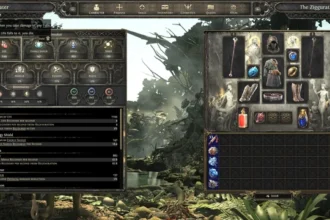


A build running four auras felt permanently starved for mana until a single reservation efficiency node dropped its total cost enough to leave room for a fifth suddenly, and the difference was not gradual; it was a hard line the character crossed all at once. Mana reservation efficiency breakpoints work exactly like that, in steps rather than smooth curves, and most players tune their builds without ever noticing where those steps actually sit.
Why Mana Reservation Efficiency Breakpoints Exist at All

The core mechanic behind mana reservation poe math is this: reservation costs round to whole numbers in practice, which means small percentage improvements to reservation efficiency often produce no visible change at all until they cross a specific threshold, at which point the displayed mana cost drops by a full percentage point in one step. Mana reservation efficiency breakpoints are the direct result of that rounding, and understanding them explains why two builds with apparently similar investment in reservation efficiency can feel completely different in practice.
Mana reservation poe players juggle across multiple auras and buffs compounds this rounding behavior further, since each skill’s reservation cost rounds independently. A build reserving four separate auras is actually crossing four separate sets of breakpoints, not one combined curve, which is why stacking reservation efficiency modifiers can suddenly free up a meaningful chunk of mana in one step rather than gradually.
The Math Behind Tight Builds

Reservation Efficiency Mastery nodes and similar modifiers reduce the percentage of mana or life a skill reserves. Because that percentage gets rounded to produce the actual displayed cost, the practical benefit of any single point of efficiency relies entirely on how close your current total sits to the next rounding boundary. Ten percent increased reservation efficiency might do almost nothing if you are nowhere near a breakpoint, or it might free up several percent of your total mana pool in one step if it happens to push you across one.
This is the actual math behind tight builds running four or five reservation skills at once: they are not simply stacking efficiency modifiers and wishing for the best; they are calculating exactly how much efficiency is needed to cross each specific breakpoint for each specific skill, then investing precisely that much and no more, since additional efficiency past a breakpoint is wasted until the next one.
A concrete example makes this easier to picture. Say a skill reserves 35% of your mana pool at baseline, and a series of small efficiency nodes reduce that by a combined 12%. If the rounding boundary for the next visible drop sits at a total reduction of 11.5%, that build crosses the breakpoint and the displayed reservation falls to 34% or lower. A build that only reached 10% total reduction, just short of that same boundary, sees no visible change at all despite investing almost as many passive points, which is exactly the kind of wasted investment breakpoint math is meant to catch before you commit currency to it.
Low Mana Build POE Setups and the Opposite Strategy
Low mana build poe players flip this entire calculation around. Rather than trying to fit more reservation into a normal mana pool, these builds deliberately reserve the overwhelming majority of their mana, sometimes over 100% through specific interactions, to trigger low mana-related bonuses on the passive tree and certain unique items that only activate below a small mana threshold.
Eldritch Battery poe build users who convert their Energy Shield into a mana-spending resource change this calculation entirely again, since an eldritch battery poe setup draws reservation from Energy Shield rather than mana directly, letting a character run heavy reservation loads without the low mana thresholds that a standard mana-based build has to work around. Blood Magic poe removes the mana pool from the equation in the opposite direction, converting skill costs to life instead, which makes blood magic poe builds immune to reservation efficiency breakpoints entirely for that specific character, since there is no mana pool left to reserve from.
Actually Finding Your Build’s Breakpoints
Path of Building and similar planning tools display your actual reservation percentages in real time, which makes finding your specific breakpoints a matter of adjusting efficiency modifiers in the tool and watching for the exact point where a displayed cost drops. This is dramatically faster and more reliable than trying to calculate the rounding manually, and it lets you test hypothetical passive tree changes before spending the actual respec currency to make them in-game.
Any mana reservation poe planning session ought to follow the same workflow: identify which reservation skill is currently the tightest constraint on your build, test incremental efficiency increases specifically for that skill in a planning tool until you find the exact point where its displayed cost drops, then invest exactly that much efficiency instead than rounding up or guessing. Mana reservation efficiency breakpoints reward this kind of precision specifically because efficiency past the breakpoint you needed is efficiency you could have spent on something else entirely.
Quick Checklist — Working With Reservation Breakpoints
- Use Path of Building or a similar tool to find your exact breakpoints rather than guessing.
- Remember each reserved skill rounds independently; a four-aura build has four separate breakpoint sets.
- Invest exactly enough efficiency to cross a needed breakpoint, not more than that.
- Consider Eldritch Battery poe conversion if you want heavy reservation without a shrinking mana pool.
- Consider Blood Magic poe conversion if you want reservation efficiency to stop mattering entirely.
- Look into low mana build PoE thresholds specifically if your build already runs near-total reservation.
- Recheck your breakpoints after any passive tree or gear change that touches reservation costs.
- Treat reservation efficiency mastery nodes as precision tools, not generic stat sticks to grab everywhere, since reservation efficiency mastery only pays off exactly at a breakpoint.
Mana reservation efficiency breakpoints turn what looks like smooth, gradual optimization into a series of specific thresholds worth actually calculating. The build that crosses the right breakpoint at the right moment gets a fifth aura for free. The build that stacks efficiency vaguely hoping for improvement usually does not.